Physical Activity Epidemiology Laboratory – Info
 |
Lisa Cadmus-Bertram, PhDDirector |
 |
Somya RastogiDoctoral student |
 |
Christian SchmidtDoctoral student |
 |
Megan AgnewDoctoral student |
 |
Robin PomeroyResearch staff |
 |
Vanessa HodgsonResearch staff |
 |
Laura MullerResearch staff |
 |
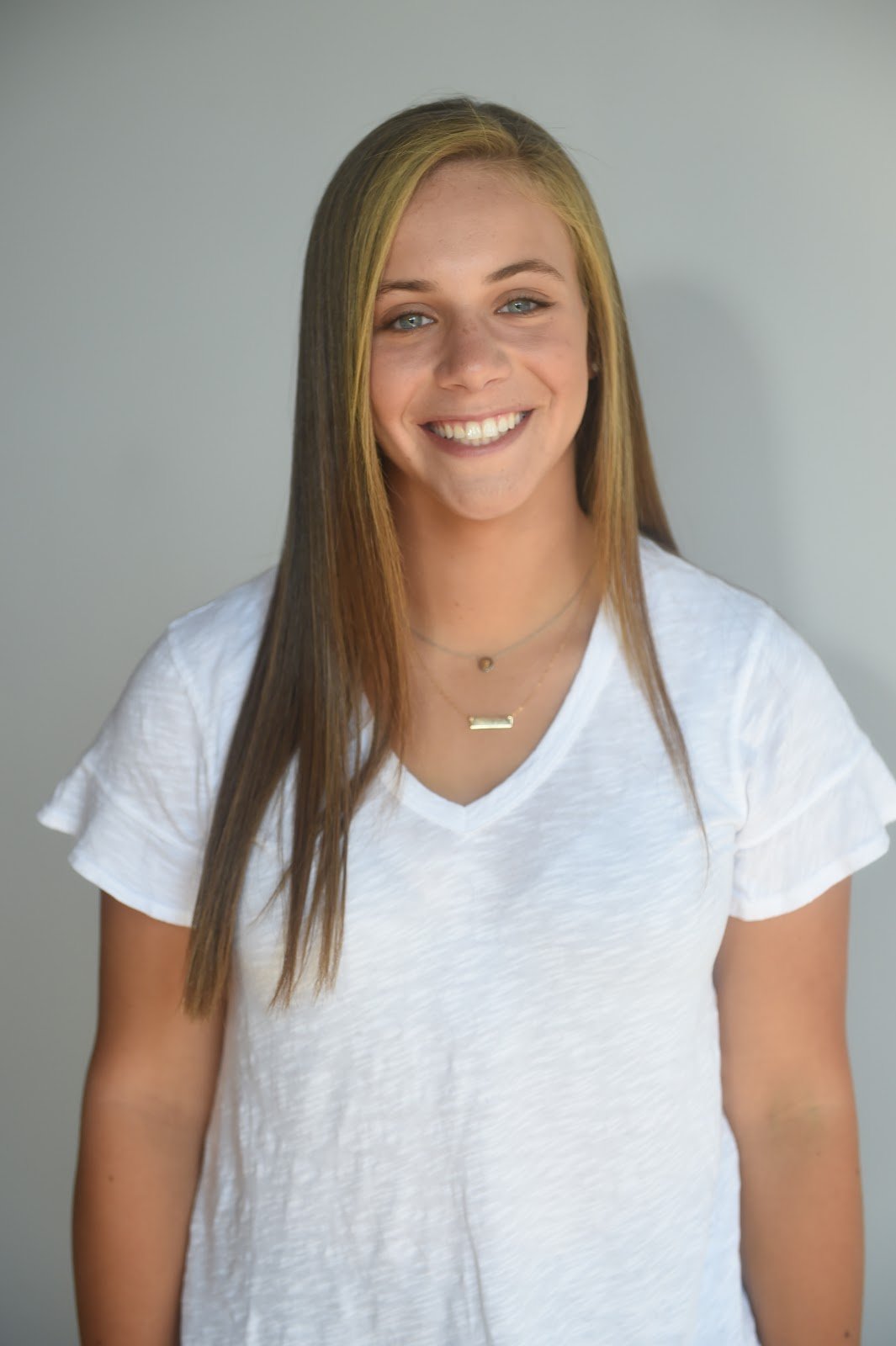
Samantha BrooksUndergraduate researcher |
 |
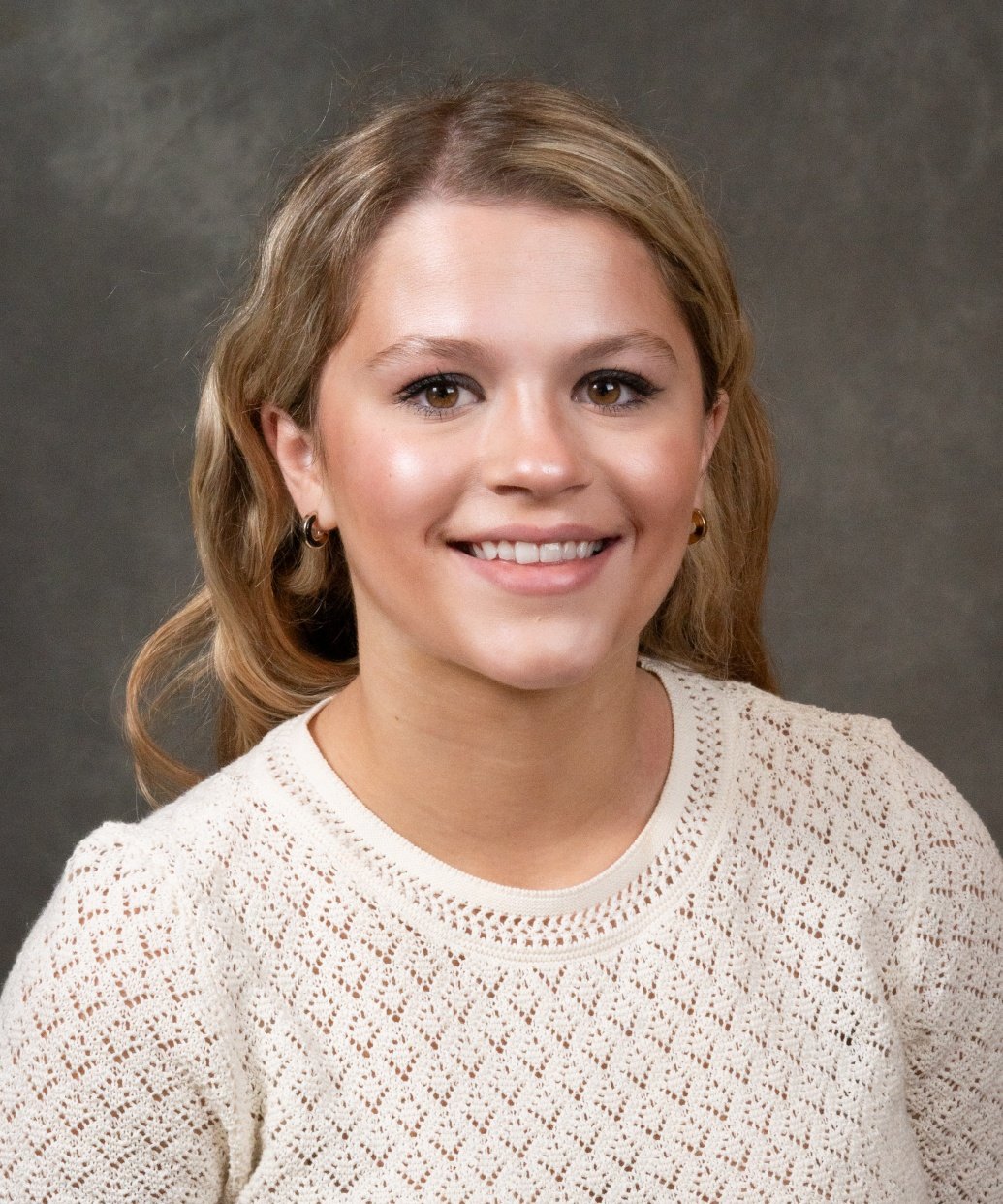
Ellie BermanUndergraduate researcher |
 |
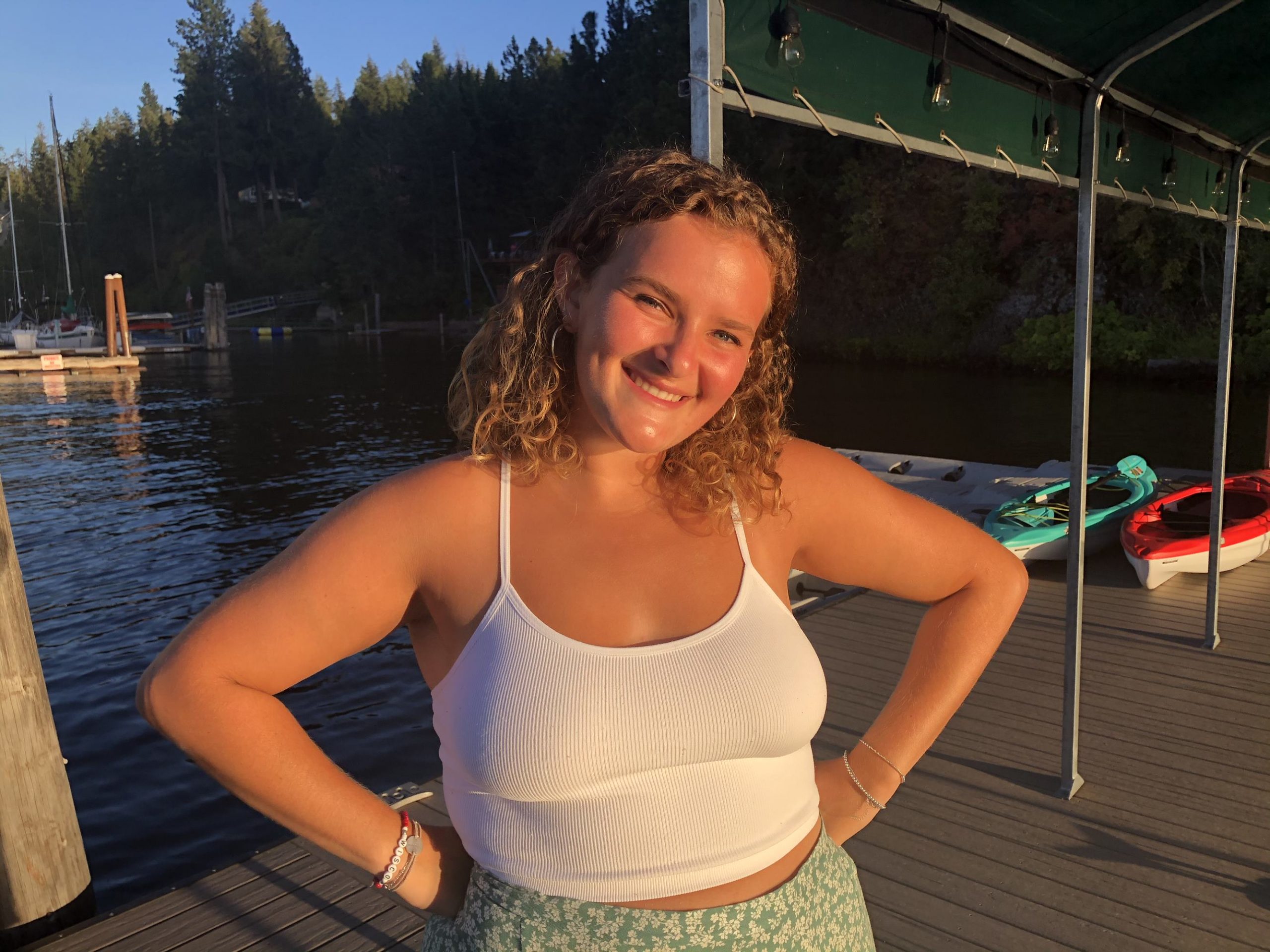
Lauren VettelUndergraduate researcher |
 |
Rebecca HorrowUndergraduate researcher |
 |
Alexa SchnittkaUndergraduate researcher |
 |
Emily SolemUndergraduate researcher |
 |
Sophie BilikUndergraduate researcher |
Previous students & trainees
Past postdocs and graduate students
Jess Gorzelitz (PhD student) — now a post-doc with the National Cancer Institute’s Cancer Prevention Fellowship Program
Keith Thraen-Borowksi (postdoctoral fellow) — Now an Associate Professor at Loras College (Dubuque, Iowa)
Emily Wirkus (MPH student) — Now employed at UW–Madison
Diana Dorn (MS student) — Now a health coach in Rapid City, South Dakota
Brittany Van Remortel (MD/MPH student) — Now a pediatrics resident at Children’s Hospital of Philadelphia
Preshita Date (MD/MPH student) — Now a physician completing her residency
Past undergraduate lab members and practicum students
Lauren Meyers
Allie Palmer
Madison Soukup
Greta Deutsch
Claire Otto
Bianca Briones
Stephanie Stoller
Rachel Schueller
Alli Zeman
Reese Hyzer
Taylor Amich
Emily Torres
Rose DiGuilio
Niky Green
Natalia Sitailo
Nicole Van Beek
Madison Coady
Sara Wojnicz
Physical activity needs of patients with non-curative cancers
There is increasing evidence of the importance of physical activity for patients with metastatic or otherwise non-curable cancers. This mixed-methods project consists of interviews (N=16) with adults living with multiple myeloma or with Stage 4 breast, prostate, or colorectal cancer. Themes identified during the interviews will be used to develop a questionnaire to fully assess needs and preferences in this patient population. This project is funded by the Virginia Horne Henry Committee.
Home-based exercise for strength training
Home-based exercise for strength training (H-BEST) is a feasibility study to determine adherence to home-based exercise in women with endometrial cancer. This 15-week randomized controlled trial consists of a resistance exercise arm and a wait-list control arm. Women in the resistance exercise arm will be asked to complete twice-weekly home-based strength training with the materials that we provide. The primary outcome is feasibility of recruiting and retaining endometrial cancer survivors. Secondary and exploratory aims include participant satisfaction, feasibility of functional and objective assessments and safety of this intervention. This study is currently recruiting eligible endometrial cancer type 1, stage I-IIIc survivors, aged 18-74, with a diagnosis within the past 5 years with primary treatment completed. If you fit these criteria and are interested in participating, please contact Jess Gorzelitz (gorzelitz@wisc.edu).
Validation of activity pattern recognition on fitness trackers
This project tested the accuracy of pattern recognition software for automatically recognizing a range of physical activities. 128 data collection sessions were conducted across four different activity modules. Data collection has been completed and results are submitted for publication. This study was led by graduate student Diana Dorn.
Physical activity needs in rural Wisconsin women
Funded by the Virginia Horne Henry Foundation
This project uses a mixed-methods approach to understanding the attitudes and needs of rural Wisconsin women as they relate to physical activity and technology. Participants residing in targeted county clusters are identified through the Survey of the Health of Wisconsin (SHOW). Click here to learn more about SHOW.
Sedentary Behavior and Breast Cancer: Interventions and Biomarkers
Funded by the National Cancer Institute (1K07178870; PI: Cadmus-Bertram)
Sedentary Behavior Trial for Breast Cancer Survivors
Given mounting research demonstrating the metabolic harms of excessive sedentary time, this study is designed to explore some of the ways that we can help cancer survivors to reduce and/or re-pattern the amount of time they spend seated. This 3-group randomized controlled trial included 60 post-menopausal breast cancer survivors (Stage 0-III). Each participant was randomly assigned to one of three groups focused on (1) reducing overall sitting time, (2) re-patterning sitting time using standing breaks, or (3) usual lifestyle. The primary outcome measure was the ActivPal inclinometer, with physical activity outcomes supplied by the ActiGraph GT3X+.
Data collection is now complete and analysis is underway. Thanks to all of the fantastic women who participated in this research!
The Planning for Active Living Study (PALS)
Funded by the UW Institute for Clinical and Translational Research
This 12-week randomized controlled trial tested the use of Survivorship Care Plans as a mechanism for delivery a technology-based physical activity intervention for breast and colon cancer survivors. A Survivorship Care Plan is a document that summarizes an individual’s cancer diagnosis and treatment and provides recommendations for follow-up care and healthy lifestyle behaviors.
This study is completing is a partnership with Gilda’s Club of Madison and Breast Cancer Recovery. Participants were UW Health patients with a diagnosis of Stage I-III breast or colorectal cancer within the past 5 years. Data collection is complete and analysis is underway.
Validation of Optical Heart Rate Monitors
This recently completed stuy examined the accuracy of the heart rate tracking functions of four popular fitness trackers: the Fitbit Charge HR, the Fitbit Surge, the Mio Fuse, and the Basis Peak. Results are under review for publication. Thank you to all the wonderful participants who helped with this study!
Gorzelitz J, Costanzo E, Gangnon R, Koltyn K, Trentham-Dietz A, Spencer RJ, Rash J, Cadmus-Bertram L. Improvements in strength and agility measures of functional fitness following a telehealth delivered, home-based exercise intervention in endometrial cancer survivors. Supportive Care in Cancer (in press).
Hekman DJ, Rodakowski J, Brick RS, Cadmus-Bertram L, Fields B. Exploration of patient and caregiver cancer education using electronic health records. Journal of Geriatric Oncology (in press).
Holzhausen EA, Hagen EW, LeCaire TJ, Cadmus-Bertram L, Malecki KC, Peppard PE (2021). A comparison of self- and proxy-reported subjective sleep duration with objective actigraphy measurements in a survey of Wisconsin children aged 6-17 years old. American Journal of Epidemiology. 2021;190(5):755-765.
Gorzelitz J, Costanzo E, Gangnon R, Koltyn K, Trentham-Dietz A, Spencer RJ, Rash J, Cadmus-Bertram L (2021). Feasibility and acceptability of home-based strength training in endometrial cancer survivors. Journal of Cancer Survivorship, doi: 10.1007/s11764-021-00990-3
Gorzelitz J, Farber C, Cadmus-Bertram L (2020). Accuracy of wearable trackers for measuring moderate-to-vigorous intensity physical activity: A systematic review and meta-analysis. J Measurement Phys Behav. (in press)
Pezmeki D, Cadmus-Bertram L, Lewis B (2020). Perspectives on the benefits of leadership training for career growth among three mid-career behavioral scientists. Translational Behavioral Medicine, 10(4): 896-901.
Rastogi S, Tevaarwerk A, Sesto M, Van Remortel B, Date P, Gangnon R, Cadmus-Bertram L (2020). Effects of an EHR-integrated physical activity intervention on psychosocial outcomes among breast and colorectal cancer survivors: A pilot randomized trial. Psycho-Oncology, 29(11):1917-1926.
Taber J, Paljavi T, Cadmus-Bertram L, Mays D, Smith B, Cribbet M, Rana B (2020) Associations among sleep and cancer risk behaviors: A scoping review of experimental studies in healthy adult populations. International J Beh Med. doi: 10.1007/s12529-020-09892-7
Gorzelitz G, Malecki K, Cadmus-Bertram L (2020). Survey-reported awareness of physical activity guidelines in rural Wisconsin women. Am J Prev Med, 59(1):143-145.
Gorzelitz JS, Costanzo ES, Spencer RJ, Rumble M, Rose SL, Cadmus-Bertram L (2019). Longitudinal assessment of post-surgical physical activity in endometrial and ovarian cancer patients. PLOS ONE, 14(10):e0223791.
Cadmus-Bertram L, Tevaarwerk AJ, Sesto ME, Gangnon R, Van Remortel B, Date P (2019). Building a physical activity intervention into clinical care for breast and colorectal cancer survivors in Wisconsin: A randomized controlled pilot trial. Journal of Cancer Survivorship, 13(4);593-602.
Unnur Gudnadottir, Cadmus-Bertram L, Spicer A, Gorzelitz J, Malecki K (2019). The relationship between occupational physical activity and self-reported vs. measured total physical activity. Preventive Medicine Reports, doi:10.1016/j.pmedr.2019.100908
Cadmus-Bertram L, Gorzelitz J, Dorn D, Malecki K (2019). Understanding the physical activity needs and interests of inactive and active rural women: A cross-sectional study of barriers, opportunities, and intervention preferences. Journal of Behavioral Medicine, doi: 10.1007/s10865-019-00070-z.
Post EG, Trigsted SM, Schaefer DA, Cadmus-Bertram LA, Watson AM, McGuine TA, Brooks MA, Bell DR (2020). Knowledge, attitudes, and beliefs of youth sports coaches regarding volume recommendations and sport specialization. Journal of Strength and Conditioning Research, 34(10):2911-2919.
Dorn D, Gorzelitz J, Gangnon R, Bell D, Koltyn K, Cadmus-Bertram L (2019). Automatic identification of physical activity type and duration by wearable activity trackers: A validation study. JMIR mHealth and uHealth, 7(5): e13547.
Post EG, Trigsted SM, Schaefer DA, Cadmus-Bertram LA, Watson AM, McGuine TA, Brooks AM, Bell DR (2019). The association of sport specialization, overuse injury, and travel with daytime sleepiness in youth athletes. Athletic Training and Sports Healthcare, doi: 10.3928/19425864-20190219-01.
Post EG, Schaefer D, Biese K, Cadmus-Bertram L, Watson AM, McGuine T, Brooks A, Bell DR. High school coaches report greater levels of emergency preparedness compared to club sport coaches. Journal of Athletic Training. (In press)
Marinac C, Nelson SH, Cadmus-Bertram L, Kerr J, Natarajan L, Godbole S, Hartman SJ (2019). Dimensions of sedentary behavior and objective cognitive functioning in breast cancer survivors. Supportive Care in Cancer, 27(4):1435-1441.
Kuenze CM, Cadmus-Bertram L, Pfeiffer KA, Trigsted S, Cook D, Lisee C, Bell DR (2019). Relationship between physical activity and clinical outcomes after ACL reconstruction. Journal of Sports Rehabilitation, 28(2):180-187.
Lloyd G, Hoffman S, Welch W, Blanch-Hartigan D, Gavin K, Cottrell A, Cadmus-Bertram L, Spring B, Penedo F, Courneya K, Phillips S. (2018) Breast cancer survivors’ preferences for social support features in technology-supported physical activity interventions: Findings from a mixed-methods evaluation. Translational Behavioral Medicine 2018 Nov 16. doi: 10.1093/tbm/iby112.
Kuenze C, Lisee C, Pifeiffer KA, Cadmus-Bertram L, Post EF, Biese K, Bell DR (2018). Sex differences in physical activity engagement after ACL reconstruction. Physical Therapy in Sport, 35:12-17.
Trigsted SM, Cook DB, Pickett KA, Cadmus-Bertram L, Dunn WR, Bell DR. Greater fear of reinjury is related to stiffened jump-landing biomechanics and muscle activation in women after ACL reconstruction. Knee Surg Sports Traumatol Arthrosc. 2018. Epub ahead of print. doi: 10.1007/s00167-018-4950-2.
Marinac CR, Nelson SH, Cadmus-Bertram L, Kerr J, Natarajan L, Godbole S, Hartman SJ (2018). Dimensions of sedentary behavior and objective cognitive functioning in breast cancer survivors. Support Care Cancer. Epub ahead of print. doi: 10.1007/s00520-018-4459-8
Patterson RE, Marinac CR, Sears DD, Kerr J, Hartman SJ, Cadmus-Bertram L, Villaseñor A, Flatt SW, Godbole G, Li H, Laughlin GL, Oratowski-Coleman J, Parker BA, Natarajan L. (2018). The effects of metformin and weight-loss on biomarkers associated with breast cancer outcomes. Journal of the National Cancer Institute. Epub ahead of print. doi: 10.1093/jnci/djy040.
Post EG, Trigsted SM, Schaefer DA, Cadmus-Bertram LA, Watson AM, McGuine TA, Brooks MA, Bell DR (2018). Knowledge, attitudes, and beliefs of youth sports coaches regarding sport volume recommendations and sport specialization. J of Strength and Conditioning Research. Epub ahead of print. doi: 10.1519/JSC.0000000000002529.
Gorzelitz J, Peppard PE, Malecki K, Gennuso K, Nieto GJ, Cadmus-Bertram L (2018). Predictors of discordance in self-report vs. device-captured physical measurement. Annals of Epidemiology, 28(7):427-431.
Kerr J, Carlson J, Godbole S, Cadmus-Bertram L, Bellettiere J, Hartman S (2018). Improving hip-worn accelerometer estimates of sitting using machine learning methods. MSSE, 50(7): 1518-1524.
Phillips SM, Cadmus-Bertram L, Rosenberg D, Buman M, Lynch B. Wearable technology and physical activity in chronic disease: Opportunities and challenges. American Journal of Preventive Medicine, 54(1):144-50.
Kuenze CM, Cadmus-Bertram L, Pfeiffer KA, Trigsted S, Cook D, Lisee C, Bell DR (2018). Relationship between physical activity and clinical outcomes after ACL reconstruction. Journal of Sport Rehabilitation. Epub ahead of print. doi: 10.1123/jsr.2017-0186.
Hartman SJ, Marinac CR, Cadmus-Bertram L, Kerr J, Natarajan L, Godbole S, Patterson RE, Sears DD (2018). Sedentary behaviors and biomarkers among breast cancer survivors. Journal of Physical Activity and Health, 15(1):1-6.
Thraen-Borowski K, Gennuso K, Cadmus-Bertram L (2017). Accelerometer-derived physical activity and sedentary time by cancer type in the United States. PLOS ONE, 12(8):e0182554.
Cadmus-Bertram L (2017). Using fitness trackers in clinical research: What nurse practitioners need to know. Journal for Nurse Practitioners, 13(1):34-40.
Thraen-Borowski K, Ellingson L, Meyer J, Cadmus-Bertram L (2017). Non-worksite interventions to reduce sedentary behavior: A systematic review. Translational Journal of the American College of Sports Medicine, 2(12):68-78.
Bell D, Pfeiffer K, Cadmus-Bertram L, Trigsted SM, Kelly A, Post EG, Cook D, Dunn WR, Hart J, Kuenze C (2017). Objectively measured physical activity in patients after ACL reconstruction. American Journal of Sports Medicine 45(8):1893-1900.
Cadmus-Bertram L, Gangnon R, Wirkus EJ, Thraen-Borowski K, Gorzelitz-Liebhauser J (2017). The accuracy of LED-based heart rate monitoring on some wrist-worn activity trackers. Annals of Internal Medicine , 166(8);610-612.
Van Blarigan EL, Kenfield, SA, Tantum L, Cadmus-Bertram L, Carroll PR, Chan JM (2017). Validation of the Fitbit One physical activity tracker in men with prostate cancer. JMIR Cancer, 3(1):e5.
Cadmus-Bertram L. (2017). Using fitness trackers in clinical research: What nurse practitioners need to know. The Journal for Nurse Practitioners, 13(1):34-40.
Hartman SJ, Nelson SH, Cadmus-Bertram L, Patterson RE, Parker BA, Pierce JP. (2016). Technology and phone-based weight loss intervention: Pilot RCT in women at elevated breast cancer risk. American Journal of Preventive Medicine, 51(5):714-721.
Cadmus-Bertram L, Nelson SH, Hartman SJ, Patterson RE, Pierce JP, Parker BA (2016). Randomized trial of a phone- and web-based weight loss program for women at elevated breast cancer risk: The HELP study. Journal of Behavioral Medicine, 39(4), 551-9.
Wang JB, Cataldo JK, Ayala GX, Natarajan L, Cadmus-Bertram LA, White MM, Madanat H, Nichols JF, Pierce JP. (2016). Mobile and wearable device features that matter in promoting physical activity. Journal of Mobile Technology in Medicine, 5(2):2-11.
Patterson RE, Marinac CR, Natarajan L, Hartman SJ, Cadmus-Bertram L, Flatt SW, Li H, Parker B, Oratowski-Coleman J, Villaseñor A, Godbole S, Kerr J (2015). Recruitment strategies, design, and participant characteristics in a trial of weight-loss and metformin in breast cancer survivors. Contemporary Clinical Trials, 47, 64-71.
Cadmus-Bertram L, Marcus BH, Patterson RE, Parker BA, Morey BL (2015). Use of the Fitbit to measure adherence to a physical activity intervention among overweight/obese, postmenopausal women. Journal of mHealth and uHealth, 3(4): e96.
Cadmus-Bertram L, Marcus BH, Patterson RE, Parker BA, Morey BL. Randomized trial of a Fitbit-based physical activity intervention for women (2015). American Journal of Preventive Medicine, 49(3), 414-418.
Wang JB, Pierce JP, Ayala GX, Cadmus-Bertram L, Flatt S, Madanat H, Newman V, Nichols J, Natarajan L (2015). Baseline depressive symptoms, completion of study assessments, and behavior change in a long-term dietary intervention among breast cancer survivors. Annals of Behavioral Medicine, 49(6), 819-27.
Wang JB, Natarajan L, Cadmus-Bertram L, White MM, Madanat H, Nichols JF, Ayala GX, Pierce JP (2015). Wearable sensor/device and SMS text messaging prompts to increase physical activity in overweight/obese adults: A randomized controlled trial. Telemedicine and eHealth, 21(10):782-792.
Marshall S, Kerr J, Carlson J, Cadmus-Bertram L, Patterson R, Wasilenko K, Crist K, Rosenberg D, Natarajan L. (2014). Patterns of weekday and weekend sedentary behavior among older adults. Journal of Aging and Physical Activity, 23(4):534-41.
Cadmus-Bertram L, Irwin ML, Alfano C, Campbell KL, Duggan C, Foster-Schubert K, McTiernan A (2014). Predicting adherence of formerly sedentary adults to a 12-month exercise intervention. Journal of Physical Activity and Health, 11(7):1307-12.
Schmitz K, Neuhouser M, Agurs-Collins T, Cadmus-Bertram L, Dean L, Zanetti K, Drake B (2013). Impact of obesity on cancer survivorship and the potential relevance of race and ethnicity. Journal of the National Cancer Institute, 105(18):1344-54.
Cadmus-Bertram LA, McTiernan A, Ulrich C, Stovall R, Ceballos R, McGregor B, Ramaprasad J, Littman AJ (2013). Predictors of adherence to a 26-week yoga intervention among post-treatment breast cancer survivors. Journal of Alternative and Complementary Medicine, 19(9), 751-758.
Cadmus-Bertram LA, Wang JB, Patterson RE, Newman VA, Parker BA, Pierce JP (2013). Web-based self-monitoring for weight loss among overweight/obese women at elevated risk of breast cancer: The HELP Pilot Study. Psycho-Oncology, 22(8):1821-8
Beasley J, Kwan ML, Chen WY, Weltzien EK, Kroenke CH, Lu W, Nechuta SJ, Cadmus-Bertram L, Patterson RE, Sternfeld B, Shu X-O, Pierce JP, Caan BJ (2012). Meeting the physical activity guidelines and survival after breast cancer: findings from the After Breast Cancer Pooling Project. Breast Cancer Research and Treatment, 131(2):637-43.
Littman AJ, Cadmus Bertram L, Ceballos R, Ulrich CM, Ramaprasad J, McGregor B, McTiernan A (2012). Randomized controlled pilot trial of yoga in overweight and obese breast cancer survivors: Effects on quality of life and anthropometric measures. Supportive Care in Cancer, 20(2):267-77.
Campbell KL, Foster-Schubert KE, Alfano CM, Cadmus L, Xiao L, Duggan C, Irwin ML, Ulrich CM, McTiernan A (2011). Injuries in sedentary individuals enrolled in a 12-month randomized controlled exercise trial. Journal of Physical Activity & Health, 9(2):198-207.
Cadmus Bertram L, Irwin ML (2011). Feasibility of institutional registry-based recruitment for enrolling newly diagnosed breast cancer patients into an exercise trial. Journal of Physical Activity and Health, 8(7):955-63.
Imayama, I, Alfano CM, Cadmus Bertram, LA, Wang C, Xiao L, Duggan C, Campbell KL, Foster-Schubert KE, McTiernan A (2011). Effects of 12-month exercise on health-related quality of life: A randomized controlled trial. Preventive Medicine, 52(5):344-351.
Cadmus Bertram L, Stefanick ML, Saquib N, Natarajan L, Patterson RE, Bardwell W, Flatt SW, Newman VA, Rock CL, Thomson CA, Pierce JP (2010). Physical activity, additional breast cancer events, and mortality among early-stage breast cancer survivors: Findings from the WHEL Study. Cancer Causes and Control, 22(3):427:435.
Patterson RE, Cadmus LA, Emond JA, Pierce JA (2010). Physical activity, diet, adiposity and female breast cancer prognosis: A review of the epidemiologic literature. Maturitas, 66(1):5-15.
Cadmus L, Patrick MB, Maciejewski ML, Topolski T, Belza B, Patrick DL (2010). Community-based aquatic exercise and quality of life in persons with osteoarthritis. Arthritis Care and Research. Medicine & Science in Sports & Exercise, 42(1):8-15.
Cadmus L, Salovey P, Yu H, Chung G, Irwin ML (2009). Exercise and quality of life during and after treatment for breast cancer: Results of two randomized controlled trials. Psycho-Oncology, 18(4):343-352.
Irwin ML, Alvarez-Reeves M, Cadmus L, Mierzejewski E, Mayne S, Yu H, et al. (2009). Exercise improves body fat, lean mass and bone mass in breast cancer survivors. Obesity, 17(8):1534-41.
Irwin ML, Varma K, Alvarez-Reeves M, Cadmus L, Wiley A, Chung GG, et al. (2009). Randomized controlled trial of exercise on insulin and insulin-like growth factors in breast cancer survivors: The Yale Exercise and Survivorship Study. Cancer Epidemiology, Biomarkers, and Prevention, 18(1):306-313.
Latka RN, Alvarez-Reeves M, Cadmus L, Irwin ML (2009). Adherence to a randomized controlled trial of aerobic exercise in breast cancer survivors: The Yale Exercise and Survivorship Study. Annals of Behavioral Medicine, 3(3):148-157.
Irwin ML, Cadmus L, Alvarez-Reeves M, Mierzejewski E, Yu H, Jones B, et al. (2008). Recruiting and retaining breast cancer survivors into a randomized controlled exercise trial: The Yale Exercise and Survivorship Study. Cancer, 112(11S):2593-2606.
Latimer A, Rench TA, Rivers SE, Katulak NA, Materese SA, Cadmus L (2007). Promoting participation in physical activity using framed messages: An application of prospect theory. British Journal of Health Psychology, Oct. 8, 2007.
Prospective Graduate Students – Seeking applicants for fall 2022!
The Department of Kinesiology offers both a master’s and PhD program with a specialization in Physical Activity Epidemiology. Please refer to the department’s graduate admissions website for full information about the requirements and curriculum. Please note that there is flexibility around prerequisites. Acceptance of new graduate students into my lab is determined by the academic strength and interests of the student as well as funding availability. Most students will have an undergraduate major in kinesiology, public health, psychology, statistics, or another health-related field. Depending on your career goals, you may also wish to consider graduate study in the Department of Population Health Sciences and I am able to advise students in that program as well. Please contact me with any questions you may have. It is helpful if you can send a CV/resume with your inquiry.
Undergraduate Students – Seeking applicants for Fall 2022
As of September 20, I am looking for multiple additional undergraduate students for the lab to assist with our MyActivity study (a physical activity trial for cancer survivors). Please send an email to lisa.bertram@wisc.edu if you are interested. Undergraduates typically sign up for KINES 399 (independent study) for 2 credits. They attend a weekly lab meeting (1 hr) plus contribute 5 hrs/week of research time. Lab placement is based on academic strength, interests/career goals, and timing. Kinesiology and health promotion & health equity majors (and pre-majors) are generally prioritized over students from other departments. Priority will also be given to students who are available for multiple semesters.
Due to the timing and pace of our research projects, it is not possible for me to mentor Bio 152 students.
 |  |
 |  |